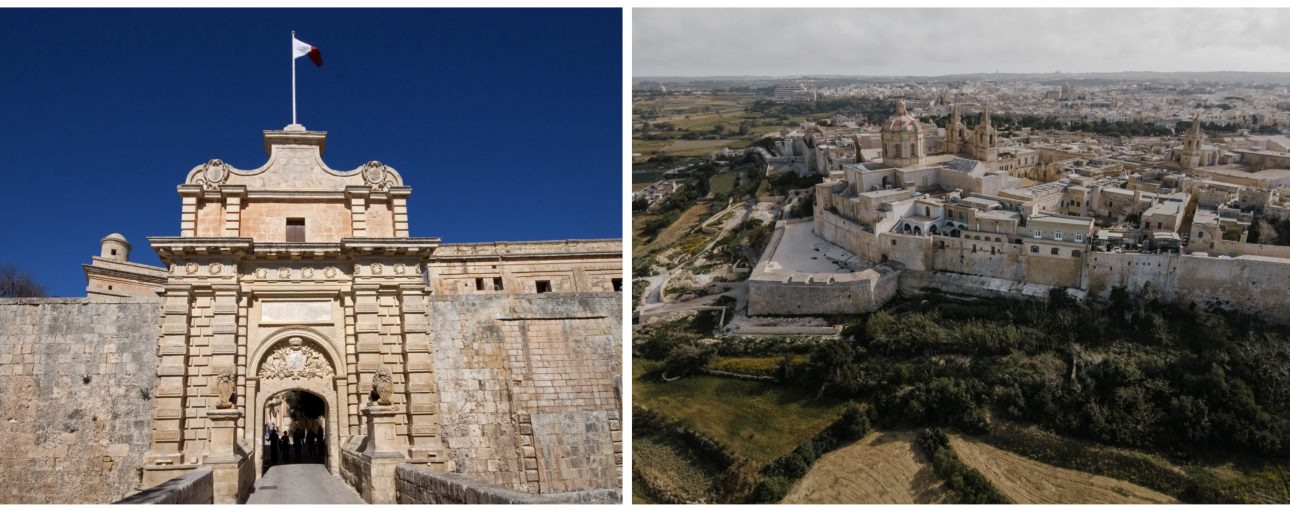
Mdina, also known as the “Silent City” or “Città Notabile”, is the ancient capital of Malta and carries a 4,000-year history. Greeks, Romans and Phoenicians, Arabs and Normans all lived here, and its origins reach right back to antiquity.
In Roman times it was called Melita, before the Arabs renamed it Mdina. The name comes from Medina in Arabic, meaning “old city”.
Sitting in the centre of Malta, Mdina and Rabat were once one and the same city. For defensive reasons, the town was split in two by a moat.
The main gate was built in 1724 to the plans of Charles François de Mondion, a French architect.
It stayed the capital of Malta until the Knights of the Order of St John of Jerusalem arrived in 1530, when they moved their headquarters to Birgu and built a new capital, Valletta.
Mdina was, and still is, the heart of the Maltese nobility, though it never regained the importance it held before 1530.
It is on the UNESCO Tentative List of World Heritage Sites and is now one of Malta’s main tourist attractions.
Rabat has a particular link to the arrival of Christianity in Malta, as it is said to have welcomed the apostle Saint Paul after he was shipwrecked on the Maltese coast.
So what should you see in Mdina?
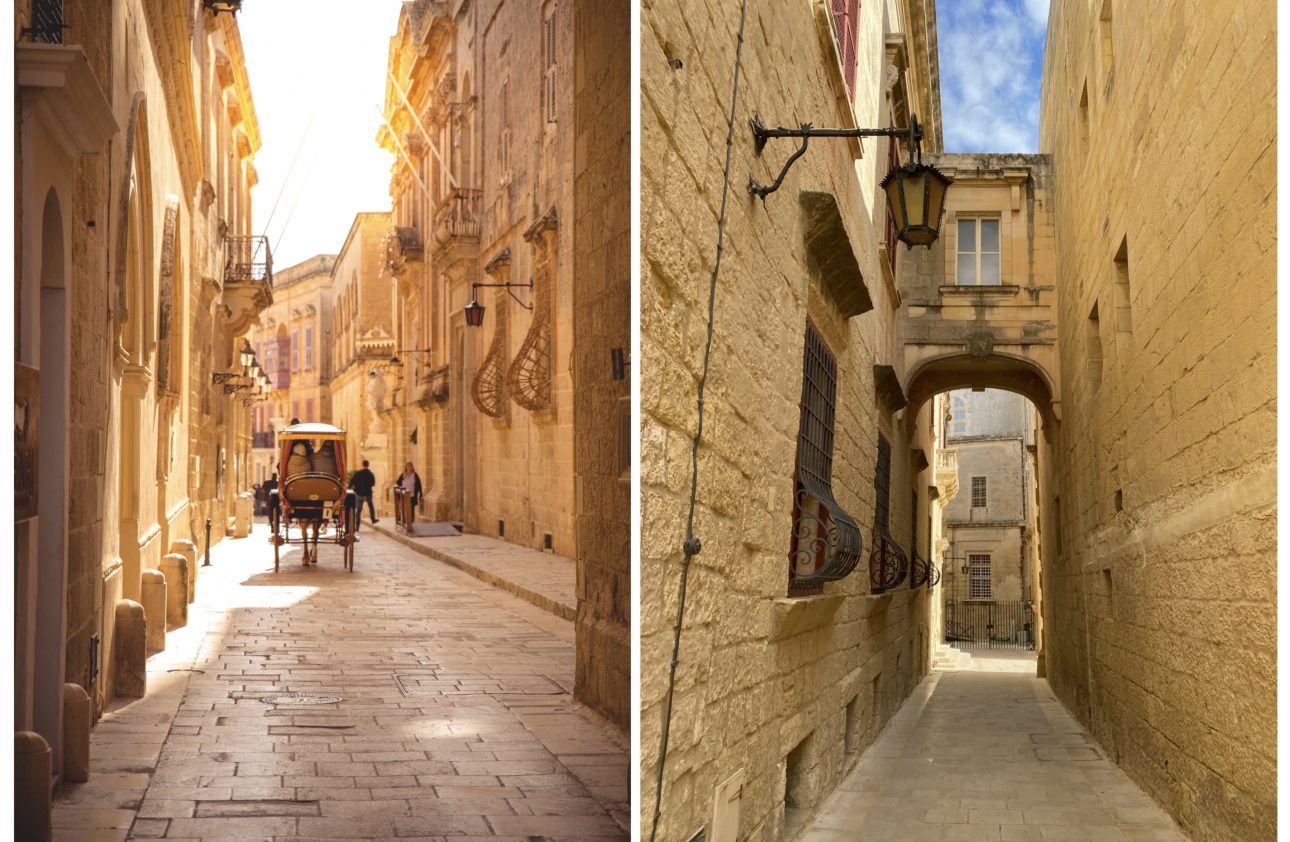
Its alleys
It is a quiet, pedestrian city, and it is a real pleasure to simply let the streets lead you.
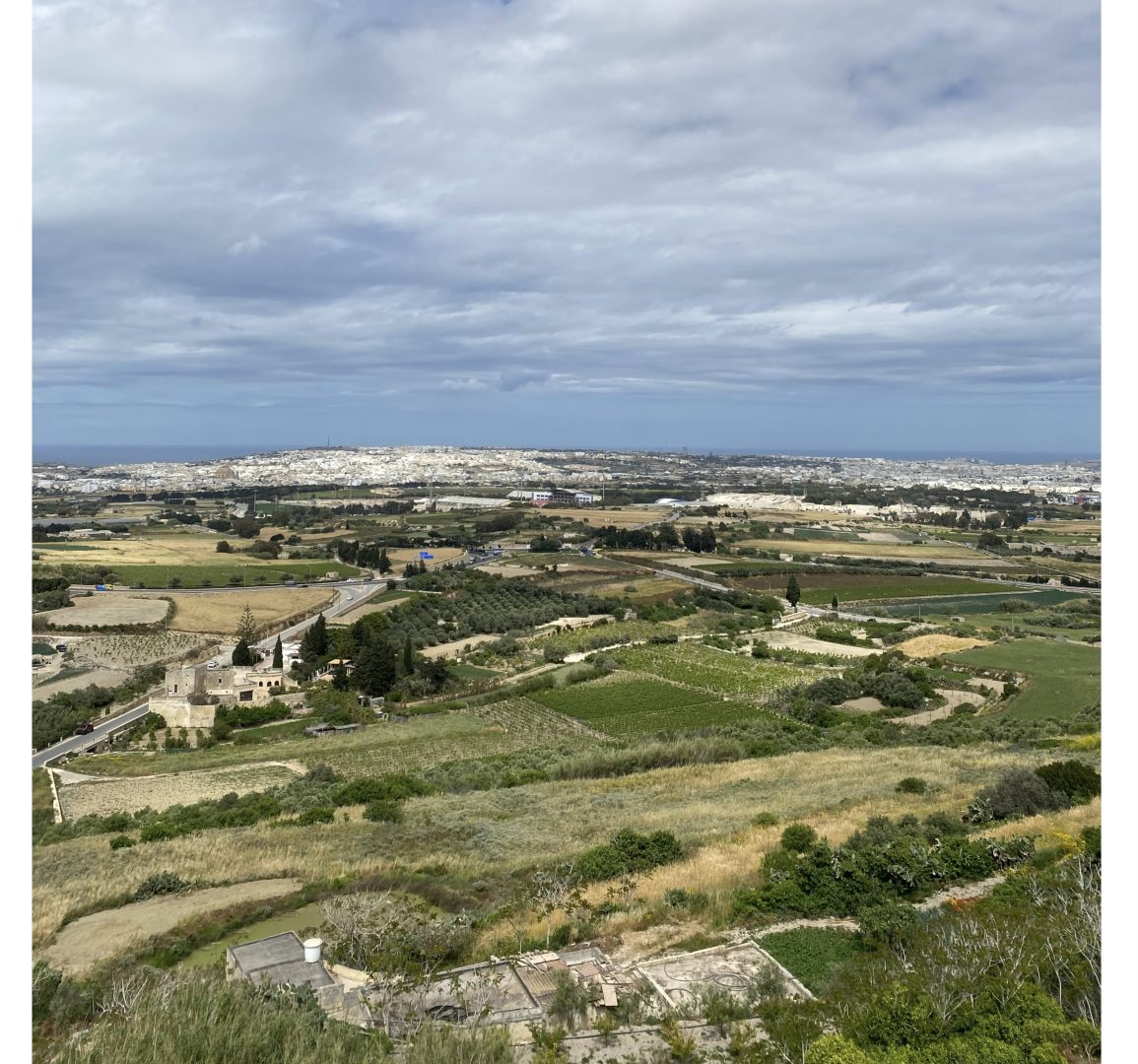
Its ramparts
The ramparts give you a view over Mosta, the Mediterranean and Valletta. Look down the slopes and you can spot the Maltese vineyards.
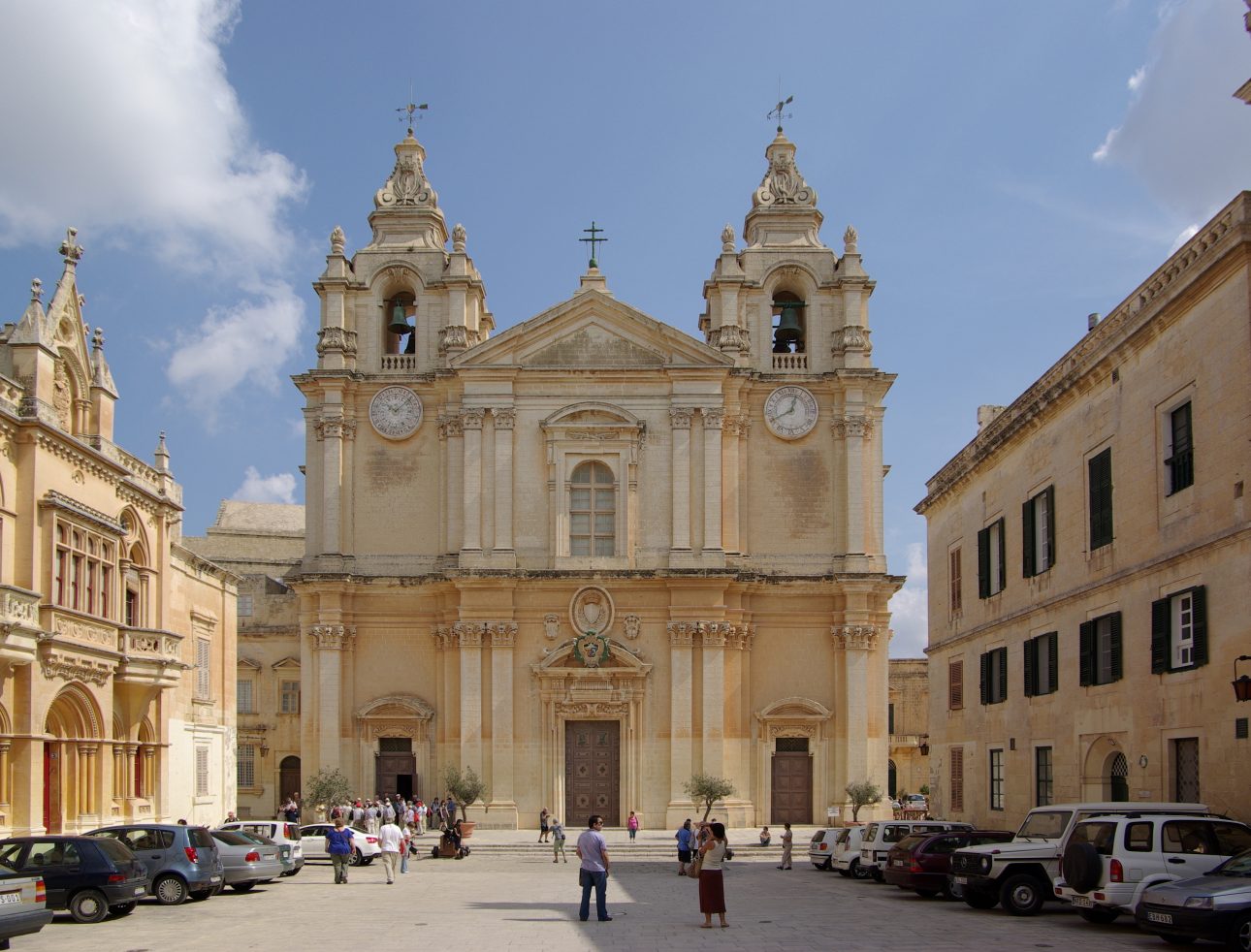
St. Paul’s Cathedral
It was rebuilt after the earthquake of 1693. Beneath its marble floor lies the tomb of the Grand Masters of Malta.
It stands on the spot where St. Paul is said to have converted the Roman governor Publius, who went on to become the first Bishop of Malta, to Christianity.
The Cathedral Museum sits inside an imposing baroque palace and holds valuable collections of artworks, coins, Roman antiquities and original documents from the time of the Inquisition.
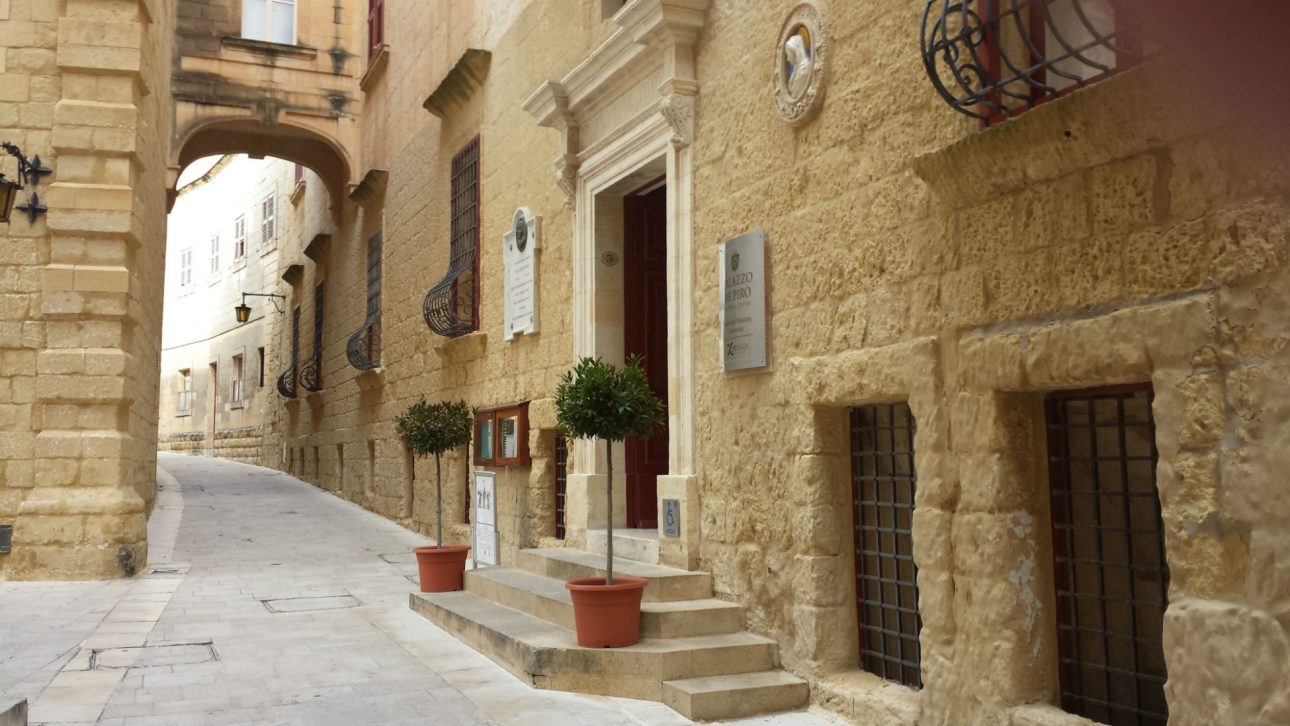
Palazzo De Piro
Built in the 17th century, it is now a “multifunctional cultural centre” that hosts exhibitions and artistic events.
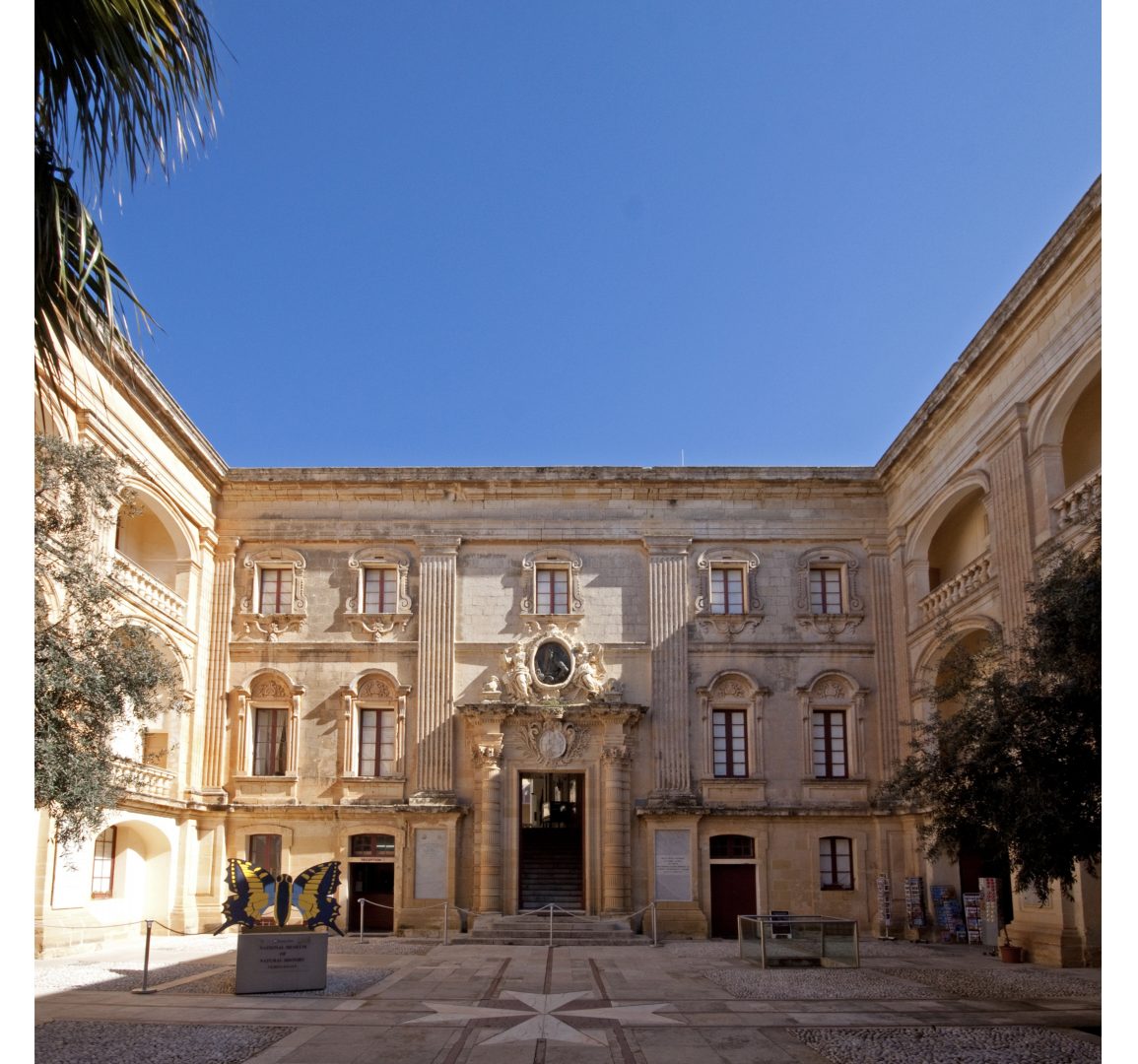
Palazzo Vilhena
Built in 1730, also to a design by Charles François de Mondion, this palace shows off the French Baroque style that arrived in Malta in the 18th century.
The building is now home to the National Museum of Natural History. The collections cover the many sides of the natural history of the Maltese archipelago, with insects, mammals, marine life, birds and shells.
The museum’s main job is acquiring, collecting and conserving natural history material, with a particular focus on the local biotope.
The palace has worn many hats over the years: a temporary hospital during the cholera epidemic that hit the island in 1837, a sanatorium for British troops, and a hospital again for tuberculosis cases in the early 20th century.
It was damaged by bombs during the Second World War and later rebuilt.
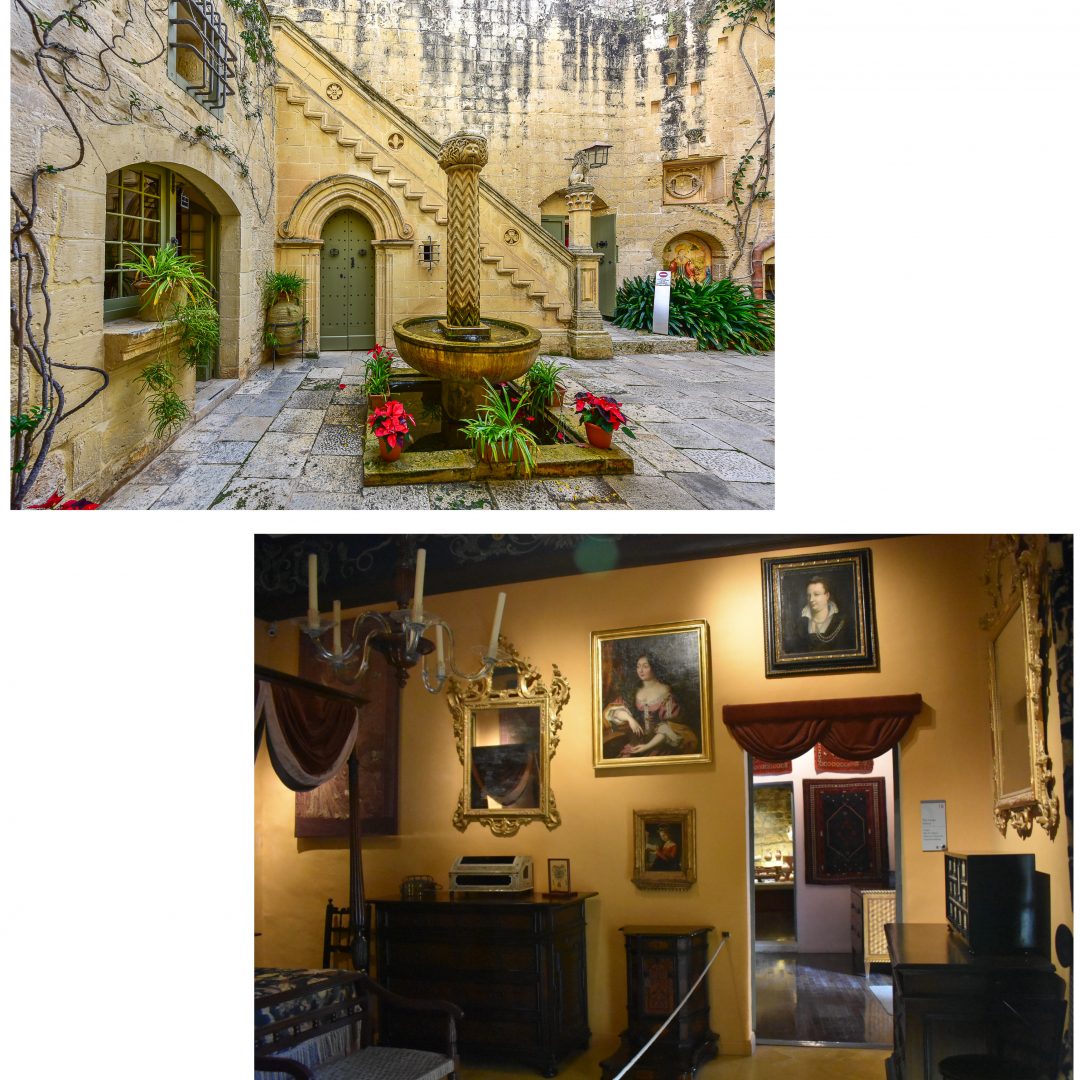
Palazzo Falzon
Also known as the Norman House, it is one of the loveliest medieval buildings in Malta.
Built in 1495 for the Aragonese vice-admiral Antonio Falzon, it was bought in 1927 by the Swedish captain Olaf Gollcher, its last inhabitant and owner. He gathered historical and artistic objects, including paintings, silverware, furniture, jewelry, carpets and oriental coats of arms, along with a large library of ancient books and manuscripts of great value.
Rabat
St. Paul and St. Agatha’s Catacombs
St. Paul’s Catacombs are a complex of connected underground Roman cemeteries that stayed in use until the 7th centuries.
Early Christians created them because Roman law forbade burying the dead inside the cities.
The catacombs of St Paul’s are the earliest and most important archaeological evidence of Christianity in Malta.
The catacombs of Saint Agatha are decorated with many frescoes. They hold more than 500 tombs, including 200 tombs of babies.
The frescoes are full of symbols: the flower stands for eternal life, the dove for the soul and for peace.
We hope you enjoy your visit to Mdina!