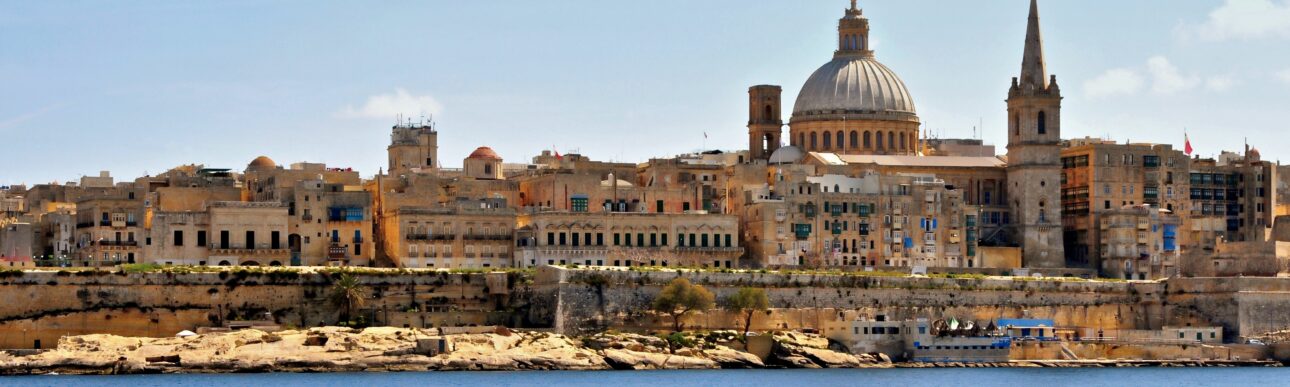
History and Construction Valletta is the capital city of Malta, and it was built after the Great Siege of Malta in 1565. Once the fight against the Ottoman Empire was over, the Knights of St. John began building Valletta in 1566. They put up strong walls and handsome buildings right next to the coast, and the work carried on until 1572. Some of the best city planners of the day worked on it. Valletta was also one of the first cities laid out in a grid and given a proper sewage system.
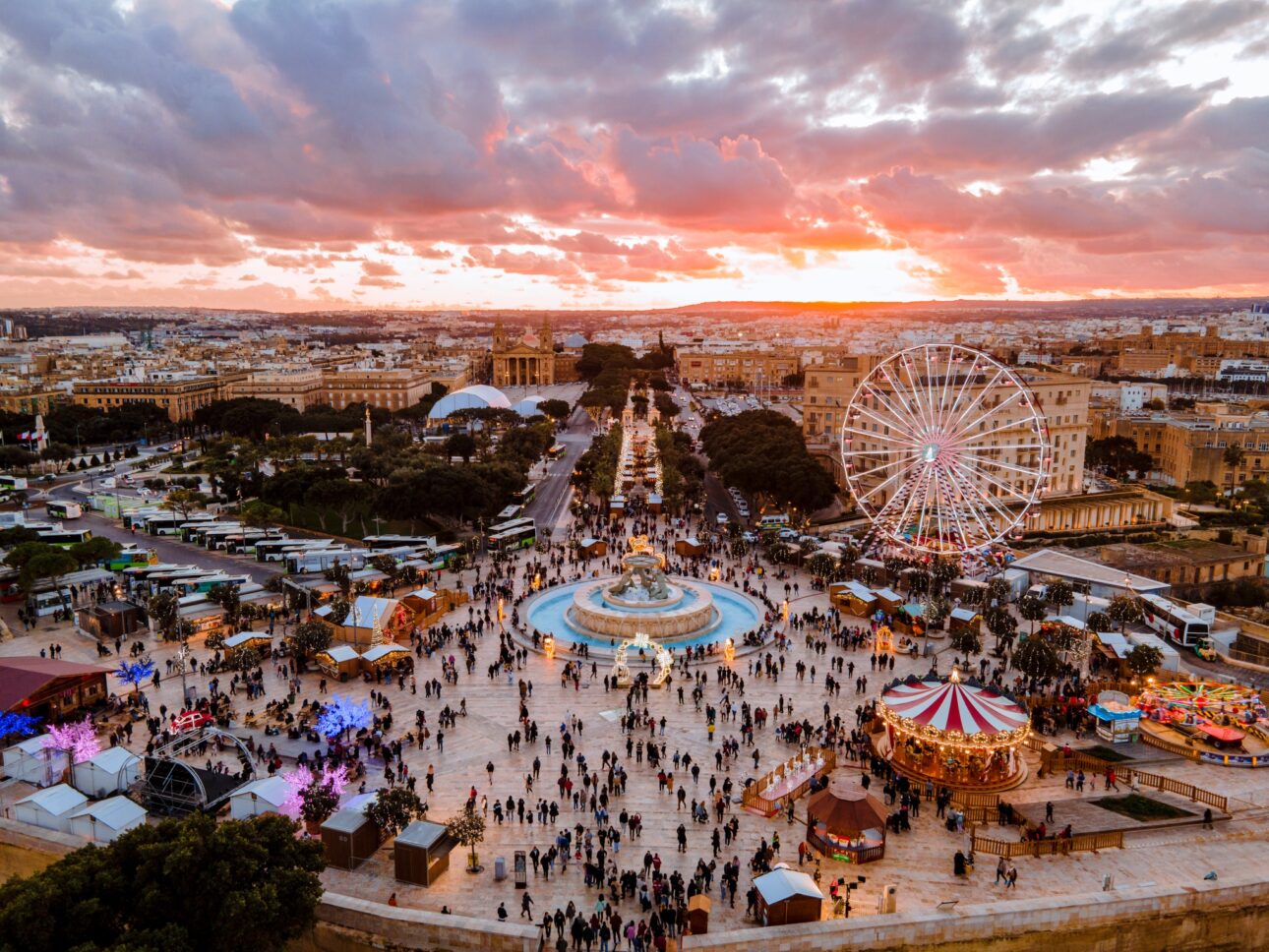
The Grand entrance to Valletta and the famous Trident waterfall
Valletta in World War II The Second World War was a hard time for Valletta. Between 1939 and 1945 the city was bombed many times, but the people who lived there did not give up. They repaired the damage and saved a lot of the old buildings, which is why so much of the city’s history and character is still here today.
Maltese Square
Buildings and Architectural Style There is a lot to look at as you walk around. Old churches, palaces, and narrow streets show off Baroque and Renaissance styles, and the buildings are made from local stone with pretty windows and carefully detailed doors. It all makes Valletta a lovely place to wander through.
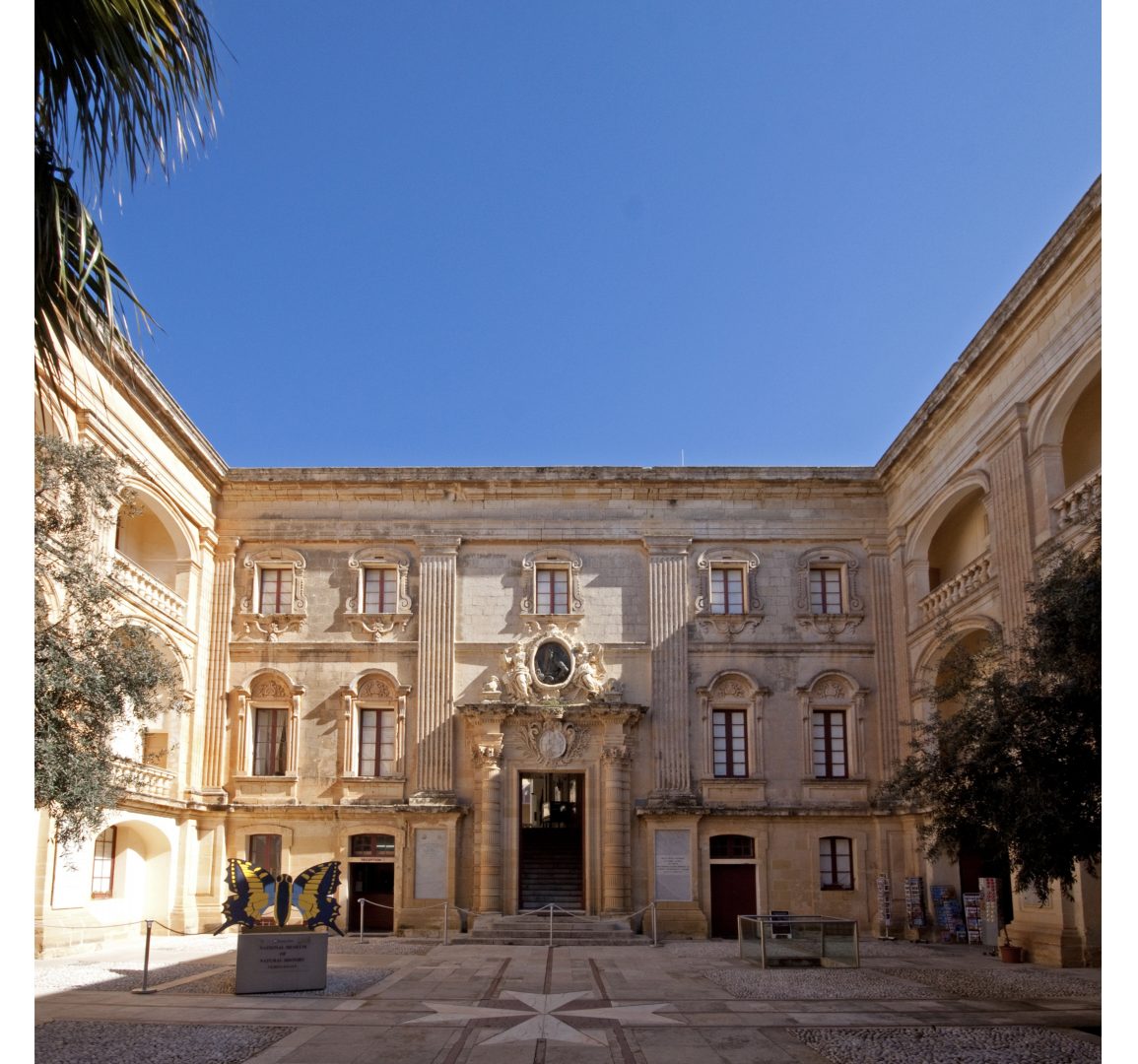
Food, Museums, and Popular Places Valletta is also known for its food. You can try local dishes like pastizzi, rabbit stew, and fresh seafood, and there are good pastries too, such as cannoli. In summer, the ice cream is well worth it. For something quieter, the National Museum of Archaeology and the Grand Master’s Palace are both worth your time, and most visitors enjoy a stroll through the Upper Barrakka Gardens and a look inside St. John’s Co-Cathedral.
Typical Maltese pastries
Conclusion Valletta packs a lot of history into a small space, and it still feels lively today. If you are in Malta, it is an easy place to spend a day and one you will probably want to come back to.
Valletta Quiz
Would you like to learn English in Malta? At Maltalingua you can study English during the day and then visit places like Valletta on our activity programme.
Each trip comes with a tour guide and Maltalingua staff, so you get to practise your English while you explore.
Ready to put this into practice? Explore our English courses in Malta at Maltalingua, EAQUALS-accredited, max 12 per class, rooftop-pool campus in St Julian’s.