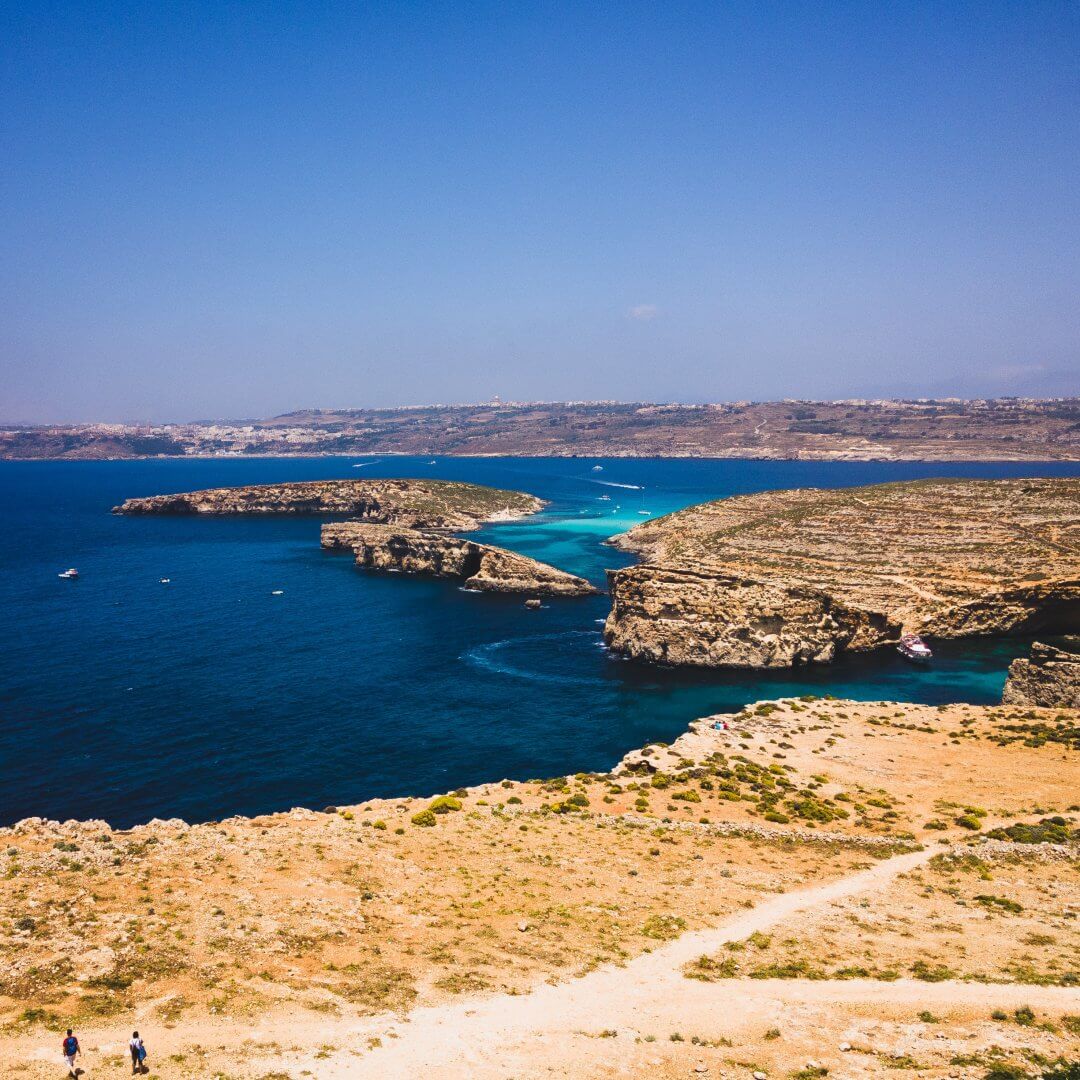
Malta. This little island in the middle of the Mediterranean draws more and more people to its shores every year. It is small, yes, but it is packed with character, history and culture.
The population of Malta is 525,285 (2020) and the official languages are Maltese and English. Since 2008 the currency has been the Euro.
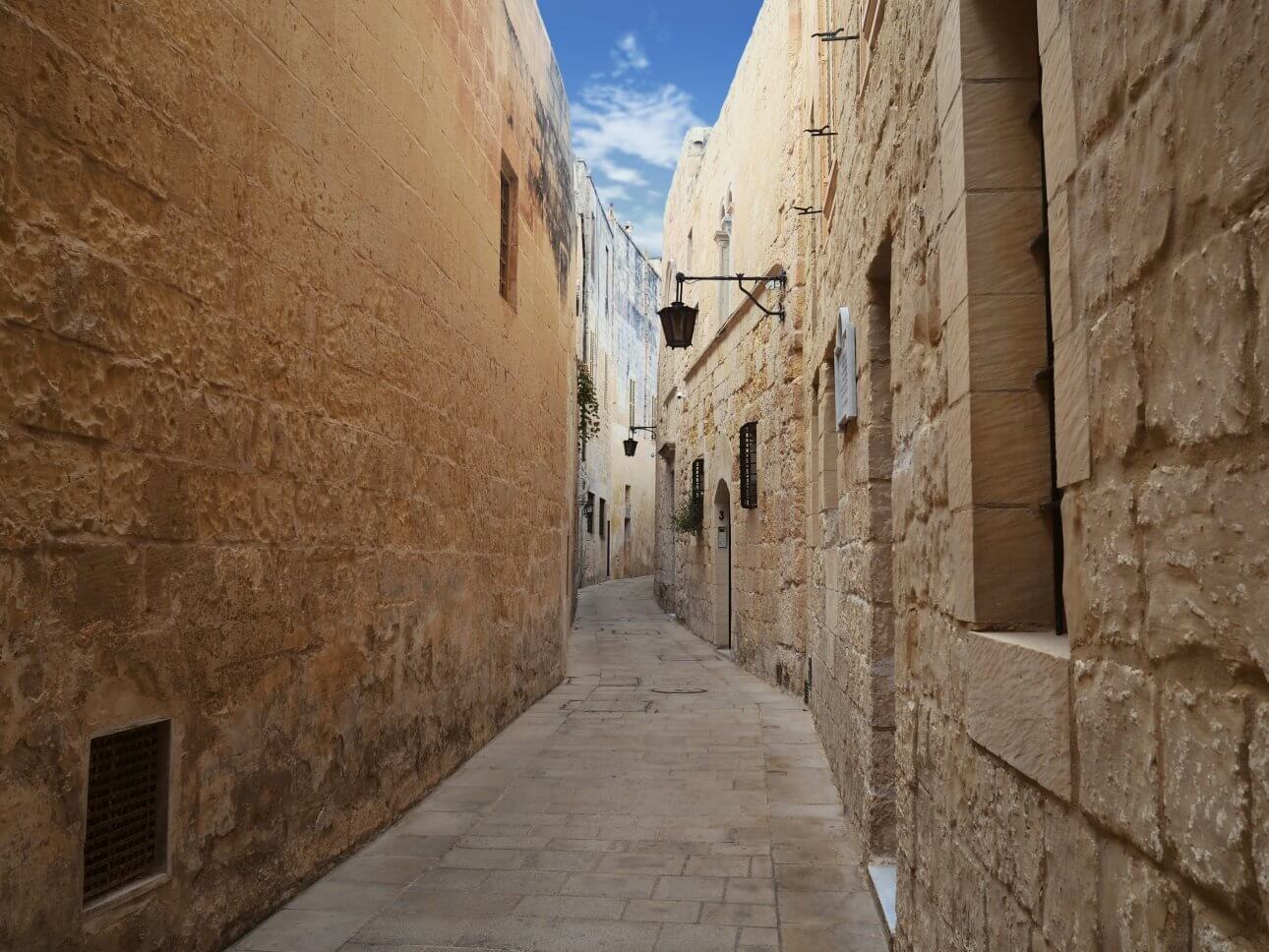
Malta has three UNESCO World Heritage sites (Valletta, the Megalithic Temples, and the Hypogeum of Ħal Saflieni) and seven sites on the UNESCO Indicative List (the Citadel of Gozo, Catacomb Complexes, Knights’ Fortifications around the Ports of Malta, Mdina, the Victoria Lines, the Coastal Cliffs and Qawra/Dwejra). These sites are protected by international law and kept safe for everyone to enjoy.
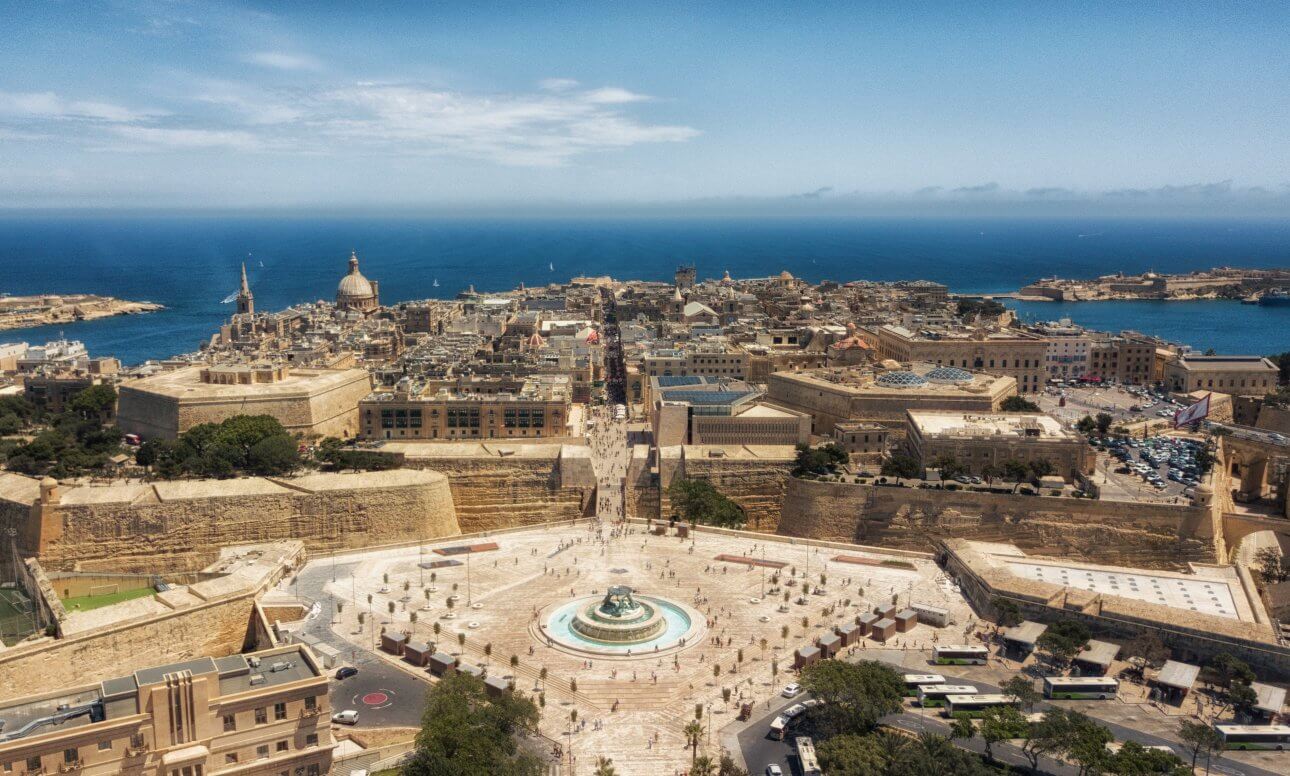
Religion matters a great deal in Malta, and there are 365 churches to prove it. The island also hosts 75 local village festivals (“festa”) between June and September. Each one honours the town’s patron saint and started life as a religious celebration. Expect plenty of religious processions, marching bands, and fireworks.
Because religion is so woven into Maltese life, there are lots of public holidays: no fewer than 14 a year, one of the highest numbers in the European Union.
As a former British colony, some old habits still hold, such as motorists driving on the left side of the road.
The island has also been the backdrop for plenty of films, such as Gladiator, Troy, World War Z, and the Game of Thrones series.
Take a walk around the island and you might just stumble onto a scene from one of your favourite films.
Malta has its own food worth seeking out too, such as the famous pastizzi, or the Figolla if you happen to visit around Easter.
And then there is the weather. Malta is known for its 300 days of sunshine a year, with a Mediterranean climate of mild winters and hot summers.
Why not come and discover Malta for yourself?